

experts in whole home ventilation sub floor damp condensation control mould prevention musty smell prevention trapped heat extraction

Get a Free Subfloor Ventilation Assessment

  • This field is for validation purposes and should be left unchanged.

sub floor ventilation

Fix musty smells with subfloor ventilation

Underfloor damp problems are common in many Sydney homes. The good news is that mechanical subfloor ventilation can be an effective and cost-conscious way to help manage damp air beneath your home and reduce the musty smells that can find their way into your living spaces.


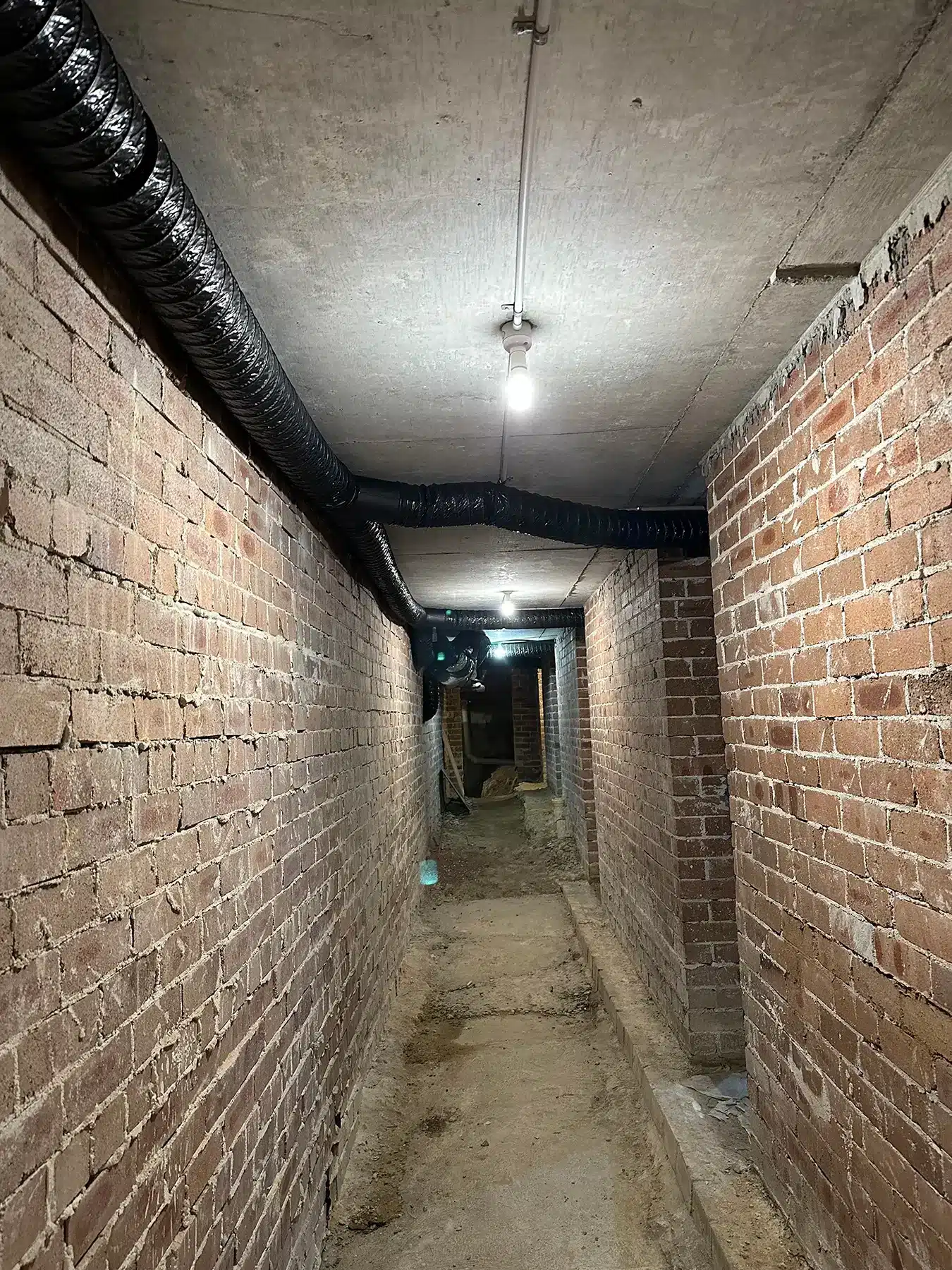
Using powerful, energy-efficient and quiet ventilation fans, Xchange Air removes stale, moisture-laden air from beneath your home and encourages fresh outdoor air to enter through existing or additional passive vents.


By improving airflow beneath your floors, mechanical subfloor ventilation helps reduce the build-up of damp, stagnant air and addresses one potential source of musty smells at their origin.

Breathe easier with a drier, fresher subfloor.

What is subfloor ventilation?

Subfloor ventilation, also known as underfloor ventilation or under-house ventilation, is designed to improve airflow in the space beneath a home.


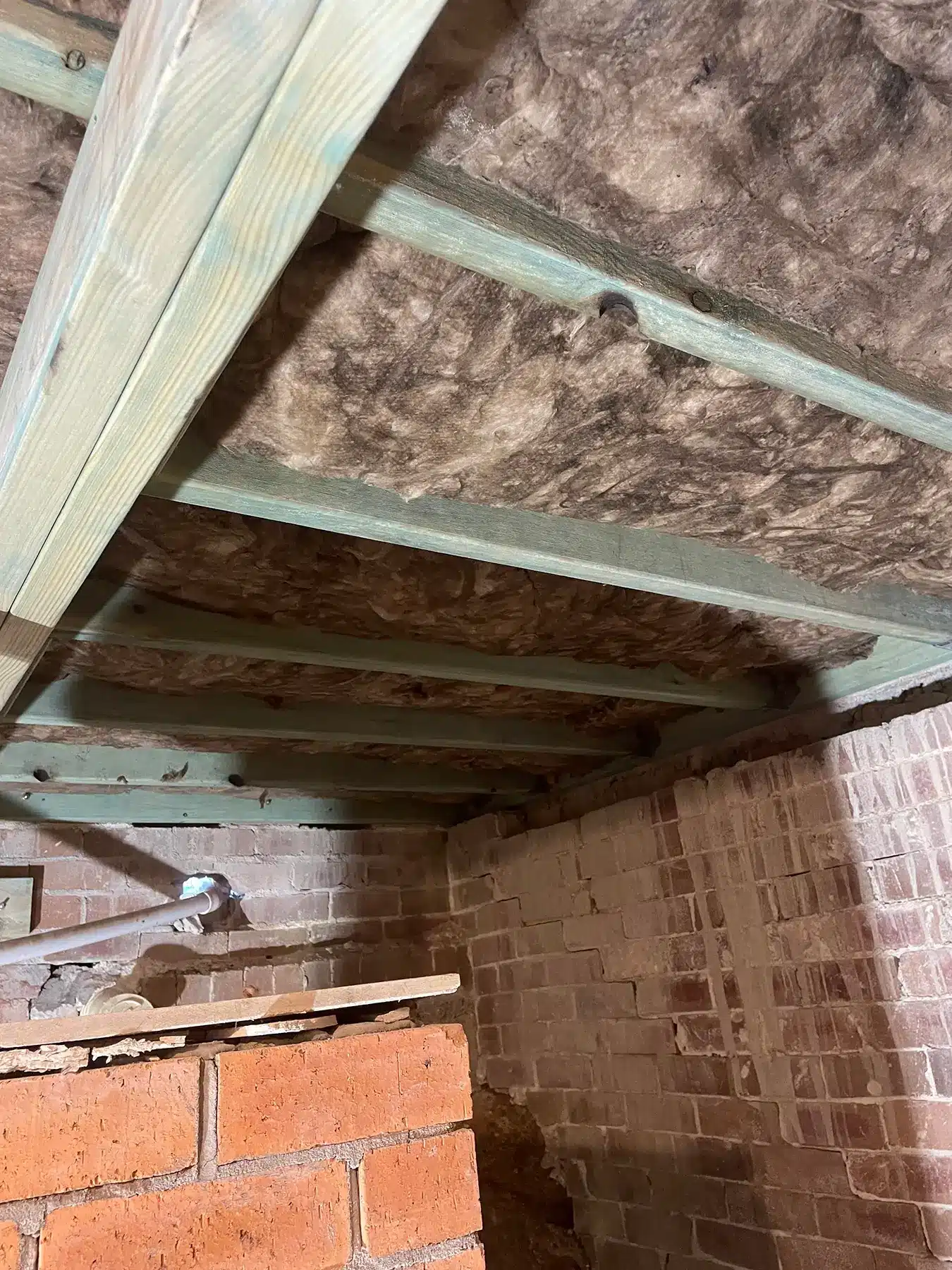
Many Sydney properties, particularly older homes with suspended timber floors, have a subfloor cavity between the ground and the underside of the floorboards. When airflow is inadequate, moisture can accumulate and the space can become damp and stagnant.


This can contribute to musty odours, condensation and conditions that encourage mould growth.


Mechanical subfloor ventilation uses fans to move air through the underfloor space, helping remove stale air and replace it with fresher outdoor air.


At Xchange Air, we assess the conditions beneath your home to help determine whether mechanical subfloor ventilation is a suitable solution.

subfloor ventilation

Why is there a damp smell coming from beneath my house?

subfloor ventilation

A persistent musty smell is often a sign that something is happening beneath your floors.

Common contributing factors include:

The source of the problem matters. While mechanical ventilation can improve airflow and help manage moisture, it is important to identify and address significant water leaks, drainage problems or other underlying causes where present.

The benefits of mechanical subfloor ventilation

Reduce musty smells

Stale, damp air beneath the home can contribute to unpleasant smells entering through gaps in floorboards, service penetrations and other openings.

By improving airflow and exhausting stale air, mechanical subfloor ventilation can help reduce odours associated with damp subfloor conditions.

Help manage excess moisture

Mechanical ventilation helps move moisture-laden air out of the subfloor space. When appropriately designed for the property's conditions, this can help manage humidity and reduce the risk of persistent dampness.

Help protect timber floors and structural elements

Prolonged damp conditions can contribute to timber deterioration and create conditions favourable to fungal growth. Improving moisture management can form part of protecting timber floors and other building materials.

However, ventilation cannot reverse existing timber damage or replace necessary repairs.

Reduce conditions that encourage mould growth

Mould can develop where moisture remains on suitable surfaces. By helping manage subfloor humidity, ventilation may reduce one of the conditions that encourages mould growth.

Existing mould, water ingress and contaminated materials may require additional assessment and remediation.

Improve the comfort of your home

A damp, musty subfloor can affect how comfortable your home feels. Addressing the source of unpleasant odours and improving the conditions beneath your floors can contribute to a fresher indoor environment.

An energy-conscious ventilation solution

Modern mechanical ventilation fans can provide ongoing airflow with relatively low electrical consumption, depending on the equipment and operating settings.

Xchange Air can help you explore a solution suited to your property and ventilation requirements.

How does mechanical subfloor ventilation work?

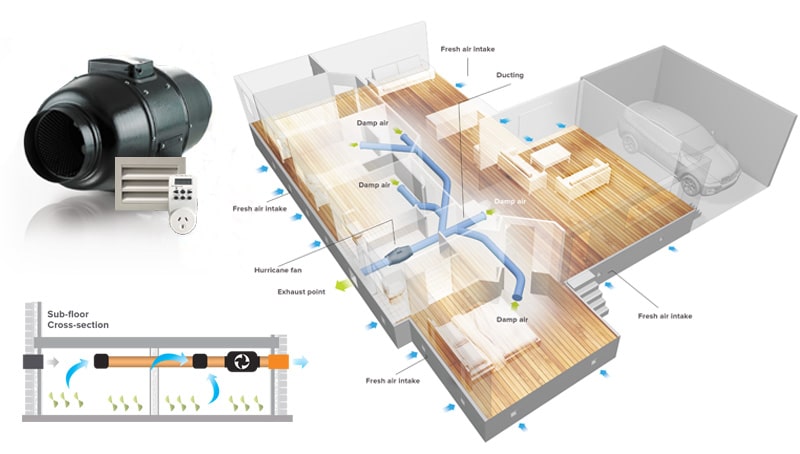
Our mechanical subfloor ventilation systems are designed to improve airflow in the cavity beneath your home.

1. Assess the subfloor

We consider the construction of your home, existing vents, airflow paths, moisture conditions and any signs of dampness or musty smells.

2. Install suitable ventilation fans

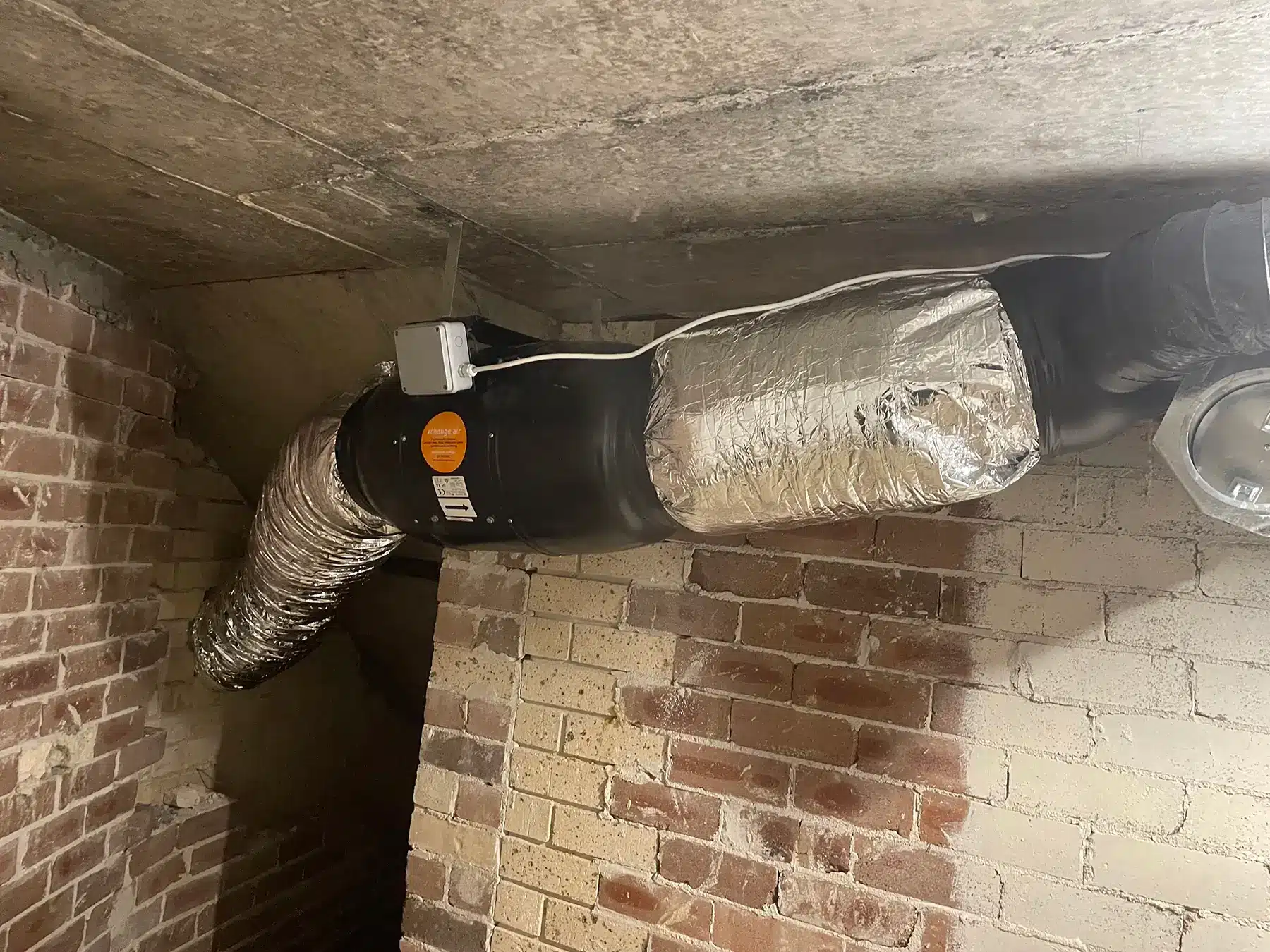
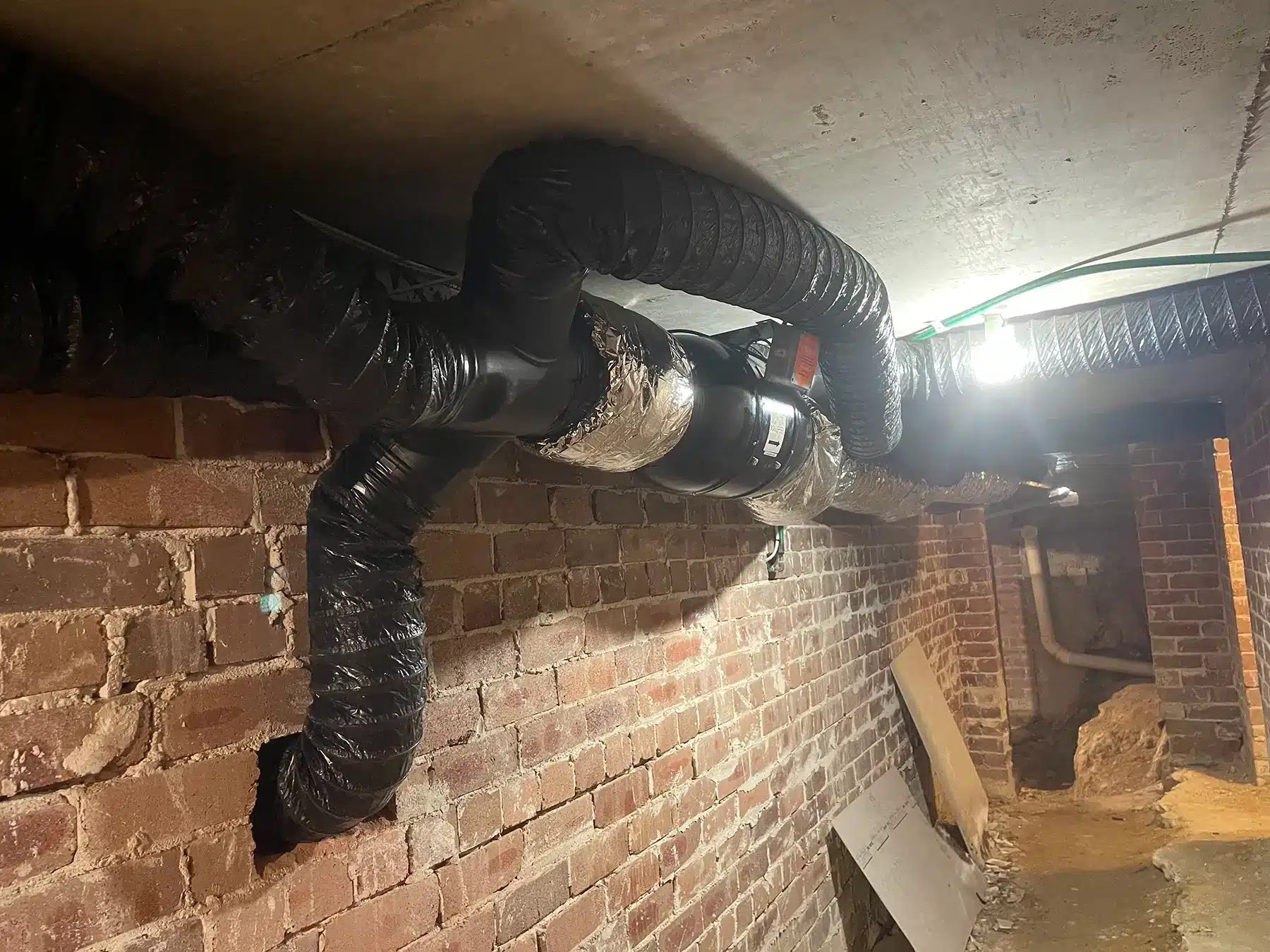
Where appropriate, mechanical fans are installed to extract stale air from the underfloor space or provide a designed airflow pattern.
subfloor ventilation

3. Introduce fresh outdoor air

Fresh air enters through suitable existing passive vents or additional ventilation openings where required. This allows air to move through the subfloor rather than remaining trapped.

4. Improve the underfloor environment

By removing stale air and encouraging air replacement, the system helps manage damp subfloor conditions and reduce musty odours associated with stagnant air.

The correct fan arrangement and airflow design depend on the size and layout of the subfloor, available ventilation openings and the source of moisture.

Why choose mechanical subfloor ventilation instead of passive vents alone?

Passive vents allow air to move naturally through the subfloor, depending on wind, temperature differences and the design of the openings.


However, natural airflow can be limited or inconsistent in some properties, particularly where subfloor spaces are obstructed or have poor cross-ventilation.


Mechanical subfloor ventilation uses fans to actively move air, providing a more controlled approach to ventilation.


Depending on your home’s conditions, a mechanical system may be particularly useful when existing passive ventilation has not adequately addressed damp air and musty smells.


Our team can assess your existing vents and determine whether mechanical ventilation, improvements to passive ventilation or other moisture-management measures are appropriate.

Is your Sydney home suitable for subfloor ventilation?

Mechanical subfloor ventilation may be worth considering if your home has:

Every property is different. Some homes may need additional passive vents, improved drainage, repairs to leaking pipes or other measures alongside mechanical ventilation.


An assessment helps identify the likely cause of the problem and the most appropriate next step.

Subfloor ventilation and underfloor insulation

Ventilation and underfloor insulation can complement one another, but they perform different functions.


Mechanical subfloor ventilation helps move air beneath the home and manage damp, stagnant conditions.


Underfloor insulation helps reduce heat transfer through the floor and, depending on the system, can provide a moisture-barrier layer.


For suitable properties, combining both approaches may help address two important aspects of home comfort: the conditions beneath the floor and the temperature of the living space above.


The appropriate combination depends on the home’s construction, moisture conditions and insulation requirements.

Why choose Xchange Air for subfloor ventilation?

Xchange Air provides home ventilation solutions for Sydney homeowners, helping address ventilation problems and improve indoor comfort.

Our goal is to help you understand what’s happening beneath your home and find an appropriate solution for a fresher, better-ventilated subfloor.

Specialist ventilation knowledge:

We understand the role airflow plays in managing damp subfloor conditions.

Solutions tailored to your home:

Recommendations are based on the property's construction, existing ventilation and moisture concerns.

Efficient mechanical systems:

We can recommend suitable fan solutions for your underfloor space.

A practical approach:

We consider whether ventilation alone is sufficient or whether other moisture issues need attention.

Local Sydney service:

We help homeowners throughout Sydney and surrounding areas.
Frequently Asked Questions (FAQs)

What is the difference between subfloor ventilation and under-house ventilation?
They are commonly used to describe the same general service: improving airflow in the space beneath a home. Subfloor ventilation can be passive, mechanical or a combination of both.
It can help reduce musty smells caused by damp, stagnant air beneath the home. If odours are caused by leaking pipes, mould contamination, sewage or other issues, those causes may need separate investigation and treatment.
Improving airflow and managing excess moisture can help reduce conditions that encourage mould growth. However, ventilation is not a guaranteed mould treatment, and existing mould or persistent water ingress may require additional work.
Noise levels depend on the fan, installation location, mounting and operating speed. Suitable equipment and correct installation can help minimise unwanted noise.
Not necessarily. Some homes have suitable existing vents, while others may need additional openings or improvements to airflow paths. This is determined during an assessment.
It can help manage damp conditions that may contribute to timber deterioration. However, existing timber damage, wood decay or structural concerns should be assessed and repaired as necessary.
Running costs depend on the fan’s power consumption, operating schedule and electricity tariff. Energy-efficient equipment can help keep ongoing electricity use relatively low.
The cost depends on the size and accessibility of the subfloor, the number of fans required, existing vents and any additional work needed. Contact Xchange Air to discuss your home and arrange an assessment.

Sub floor ventilation Projects

Take the first step towards a fresher home

Musty smells coming from beneath your floors shouldn’t be ignored.


Mechanical subfloor ventilation can help improve airflow, manage damp subfloor conditions and reduce unpleasant odours when inadequate ventilation is contributing to the problem.


Let Xchange Air help you identify the likely cause and explore a solution suited to your home.

Contact Xchange Air today for a free subfloor ventilation assessment in Sydney.